Japanese Acupuncture
Acupuncture is extremely diverse in how it is practised around the world. The two primary schools of acupuncture practiced by Dr Jolene Azzopardi are Manaka Protocols and Toyohari both Japanese in origin.
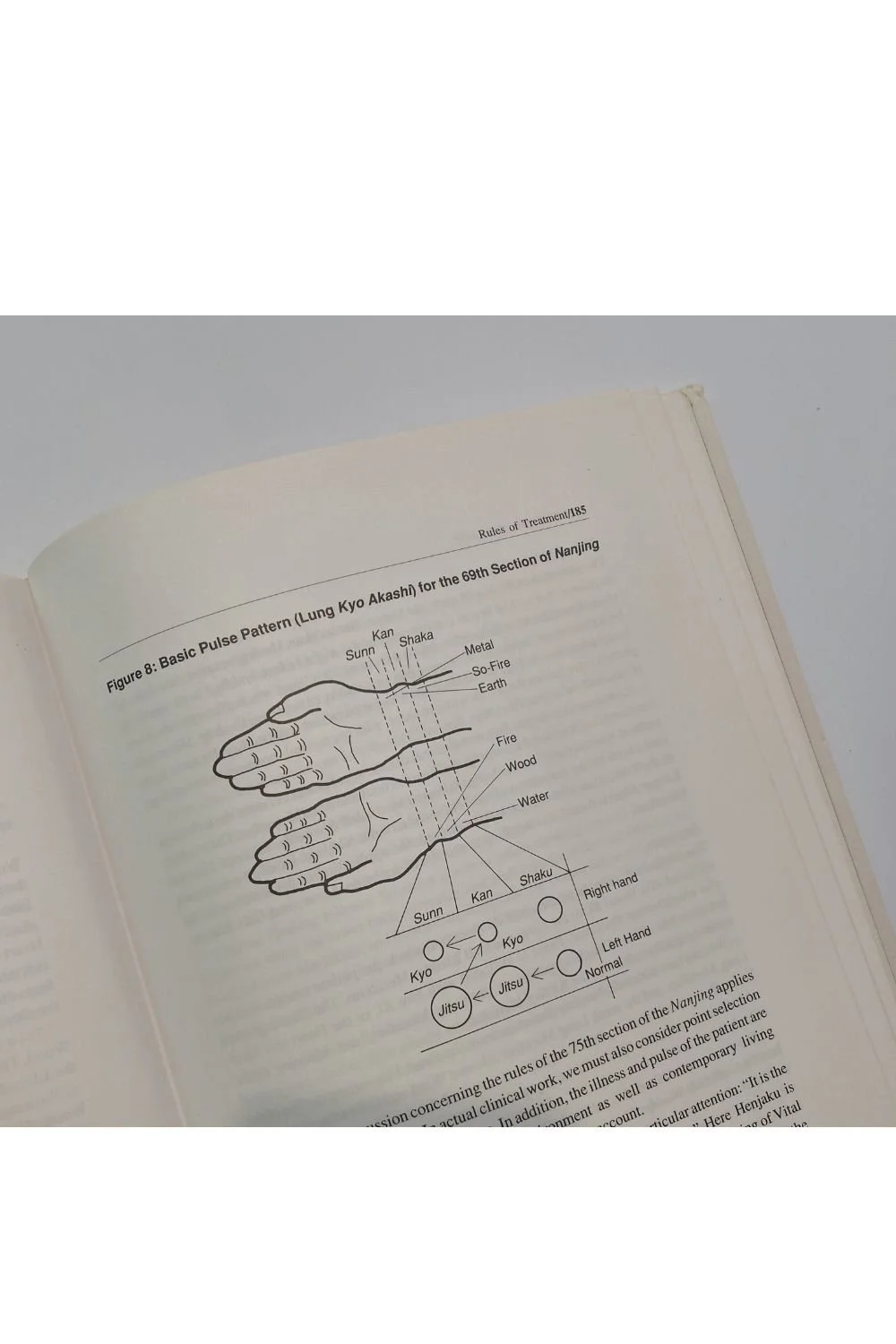
These particular schools of Japanese acupuncture are both refined and offer a gentle approach to East Asian medicine, known for their subtlety, precision, and a focus on restoring harmony in the body. Rooted in centuries of tradition, they emphasise palpation of the body namely the meridians themselves, the abdomen and the pulse, primarily radial, as main diagnostic features using touch to understand and diagnose the body’s condition and presenting pattern of disharmony.
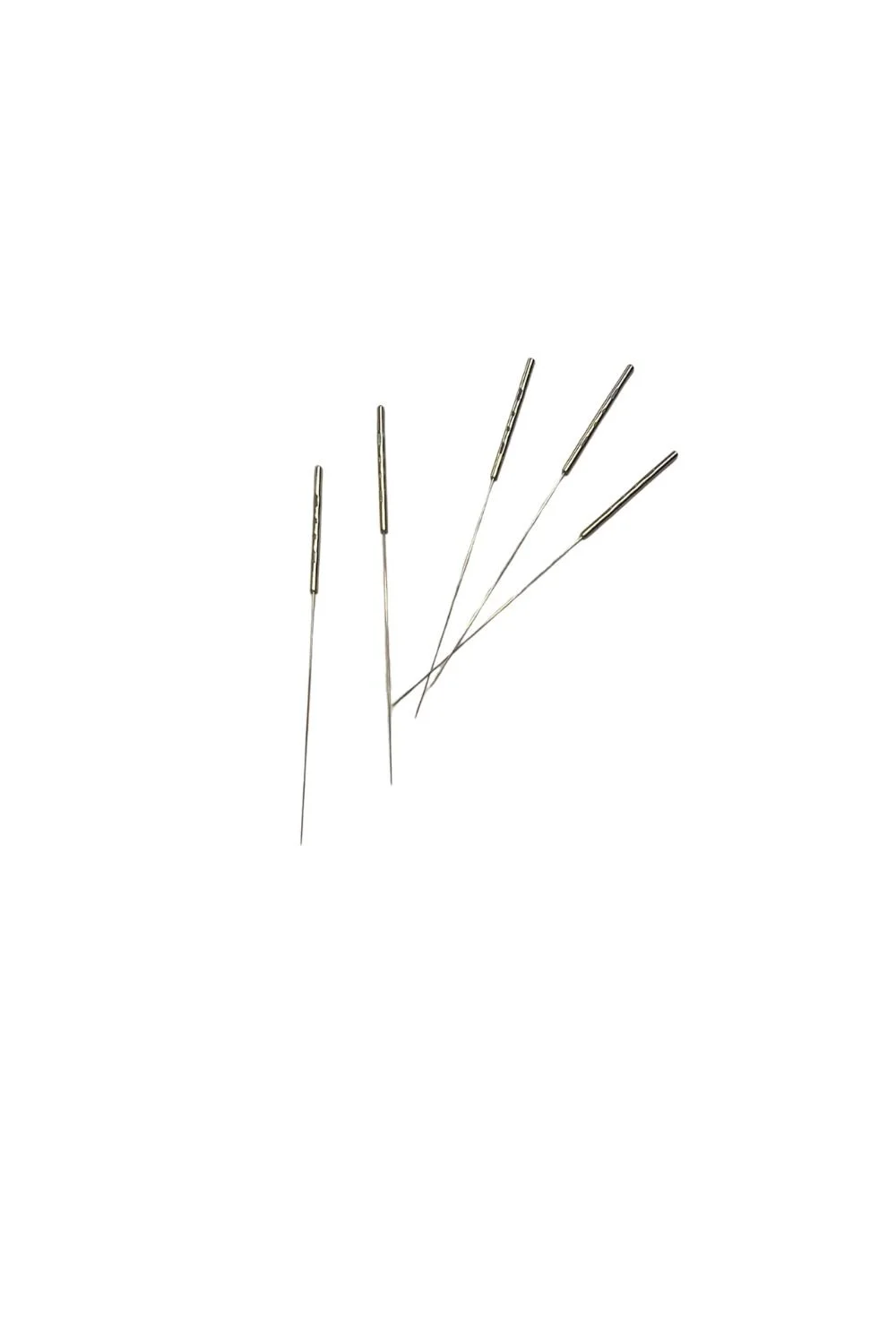
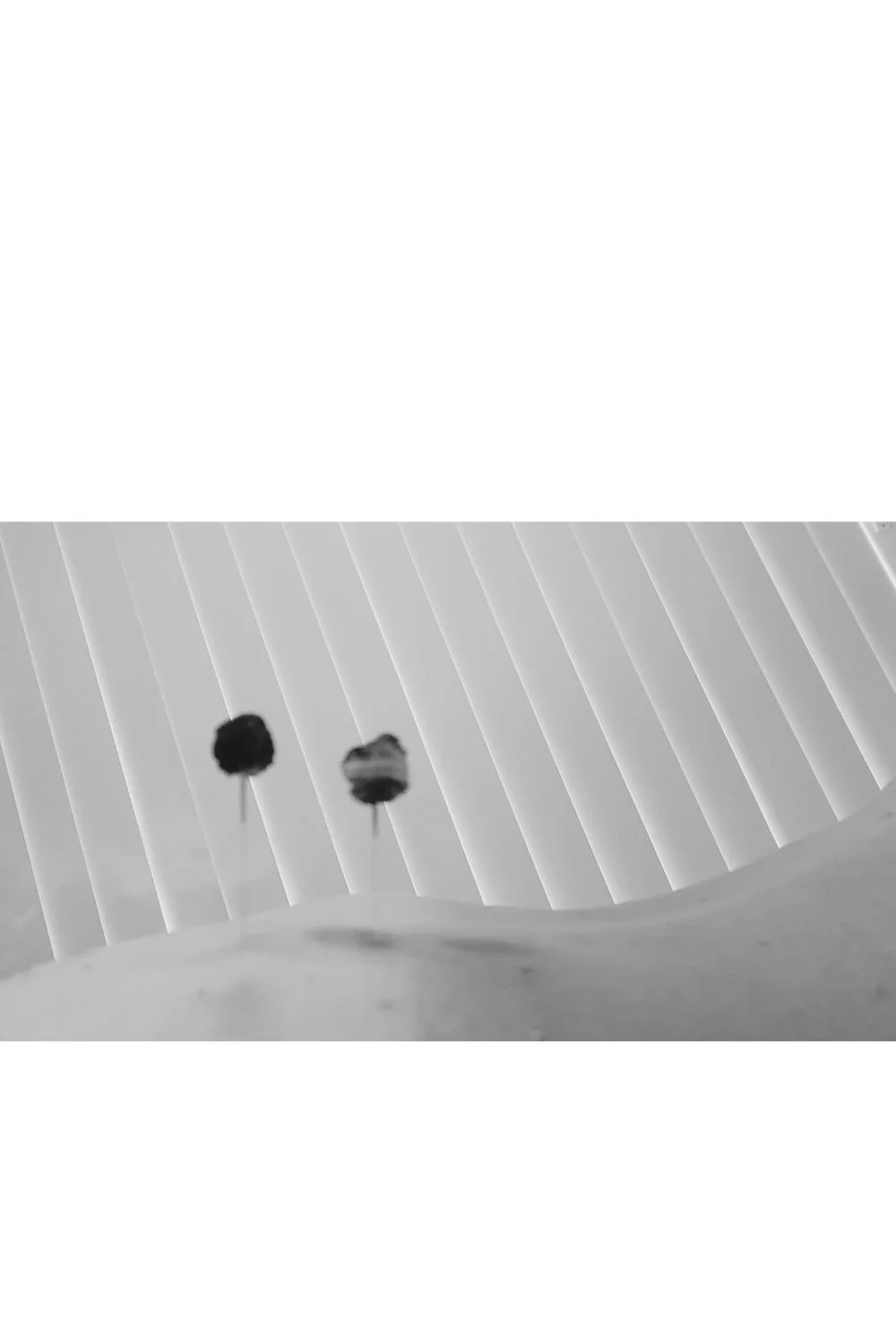
Theses style of acupuncture include both insertion and non-insertion needling techniques. The use of extremely fine needles allow for a deeply therapeutic yet comfortable experience. These ultra-fine needles, applied with care and intention, help to restore the smooth flow of qi/ki (vital energy) and blood throughout the body. Where appropriate, moxibustion (the warming of specific points with herbal heat) and cupping may also be used to encourage circulation, ease tension, and support the body’s vitality.
Unlike more forceful or symptomatic styles, these forms of Japanese acupuncture work with the body’s own intelligence and address the root cause of the imbalance as well as the symptoms presented. Each treatment is tailored to the individual’s presentation on the day, supporting the flow of qi/ki, nourishing the blood, and strengthening the body’s core systems that sustain fertility and overall wellbeing.
In East Asian medicine, women’s health, fertility, and pregnancy have always been regarded as specialised fields, with dedicated diagnostic frameworks and treatment approaches developed over centuries. These forms of Japanese acupuncture continue this lineage of care, offering a deeply respectful and nurturing way to support hormonal balance, menstrual health, conception, pregnancy, and postnatal recovery.
These styles of practice are gentle yet profoundly effective which make them ideal for sensitive patients and are often chosen by those seeking a more mindful, body-aware experience, one that aligns with the rhythms of nature and the wisdom of traditional medicine.